
Nail Care
Why Your Gel Keeps Chipping (And It's Probably Not the Polish)
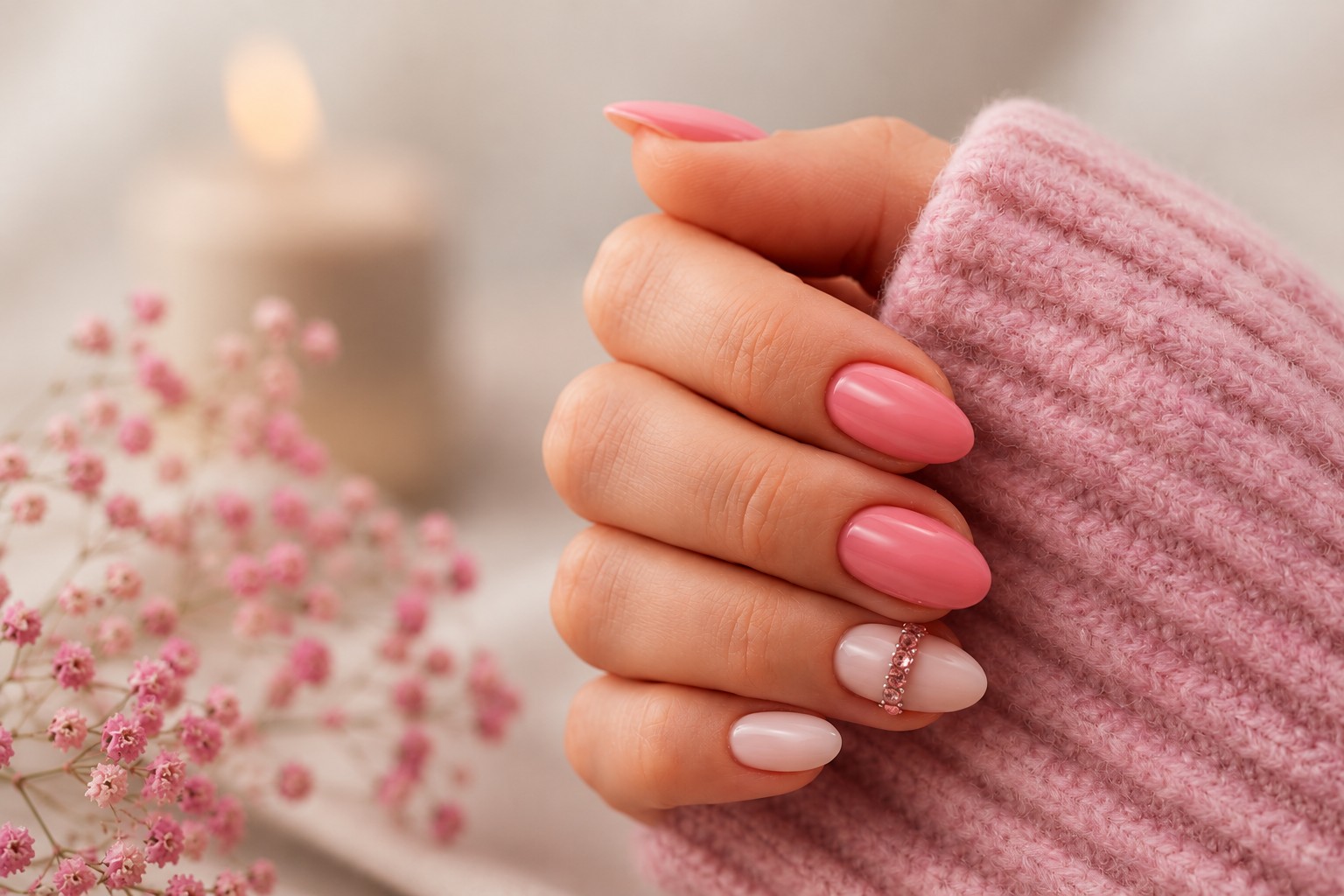
It's one of the most common complaints in the industry: gel that's supposed to last two to three weeks starts chipping or lifting within days. The instinct is to blame the polish itself — a cheaper brand, a bad batch, a gel that "just doesn't work" on your nails. In reality, gel failure is almost always a preparation problem, not a product problem.
What's Actually Happening Underneath
Gel polish and BIAB (builder in a bottle) systems work by bonding to the surface of the natural nail. If that surface isn't properly prepared, the product has nothing solid to hold onto — no matter how good the gel itself is.
The most common causes of early lifting are:
- Leftover dead skin on the nail plate. The cuticle zone is made up of both living skin and dead skin, and only the dead skin is ever removed. That dead skin — whether still in the cuticle zone or stuck to the nail plate itself — is exactly what gel can't bond to. Removing it properly is what gives the product good, lasting adhesion. If it isn't fully cleared before application, the product lifts from that exact spot first.
- Natural oils and moisture on the nail. Skipping a proper dehydration and prep step leaves a barrier between the nail and the product.
- Product applied too thick or too thin at the edges. Thickness needs to be even and sealed at the free edge, or that's exactly where lifting starts.
- Rushed curing. Under-cured gel looks finished but hasn't properly hardened, and it will fail faster.
Why This Is a Skill Issue as Much as a Time Issue
Proper preparation simply takes longer than a rushed appointment allows. Clearing away only the dead skin from the cuticle zone and the nail plate, without disturbing the living skin around it, prepping the nail plate correctly, and applying product with the right thickness and structure all take real time and a steady hand — which is exactly why a manicure that's hurried through in twenty minutes is far more likely to chip than one where the technician is given the time to do it properly.
But time on its own isn't enough. Dry Russian e-file technique in particular is not a simple skill — it takes technicians months of dedicated practice to be able to tell dead skin from living skin by feel and sight alone, and to remove exactly the right amount at the right pressure, on every nail shape. A technician who hasn't put in that practice can be given all the time in the world and still get it wrong.
This is also where working dry makes a measurable difference. Because the entire service is performed without soaking the nail in water first, a trained technician can see precisely where the living skin ends and the dead skin begins — and remove exactly that dead skin, without swelling or guesswork blurring the line.
What to Look For in a Longer-Lasting Manicure
If your gel keeps failing early, it's worth paying attention to a few things at your next appointment:
- Is your cuticle work thorough, or rushed?
- Is the technician working dry, or soaking your hands first?
- Does the appointment feel long enough for proper preparation, or does it feel like a production line?
A manicure that lasts is built in the first ten minutes of prep — long before the colour goes on.
Ready to see the difference for yourself?