
Nail Care
A Nail Biter's Guide: How Recovery Actually Works
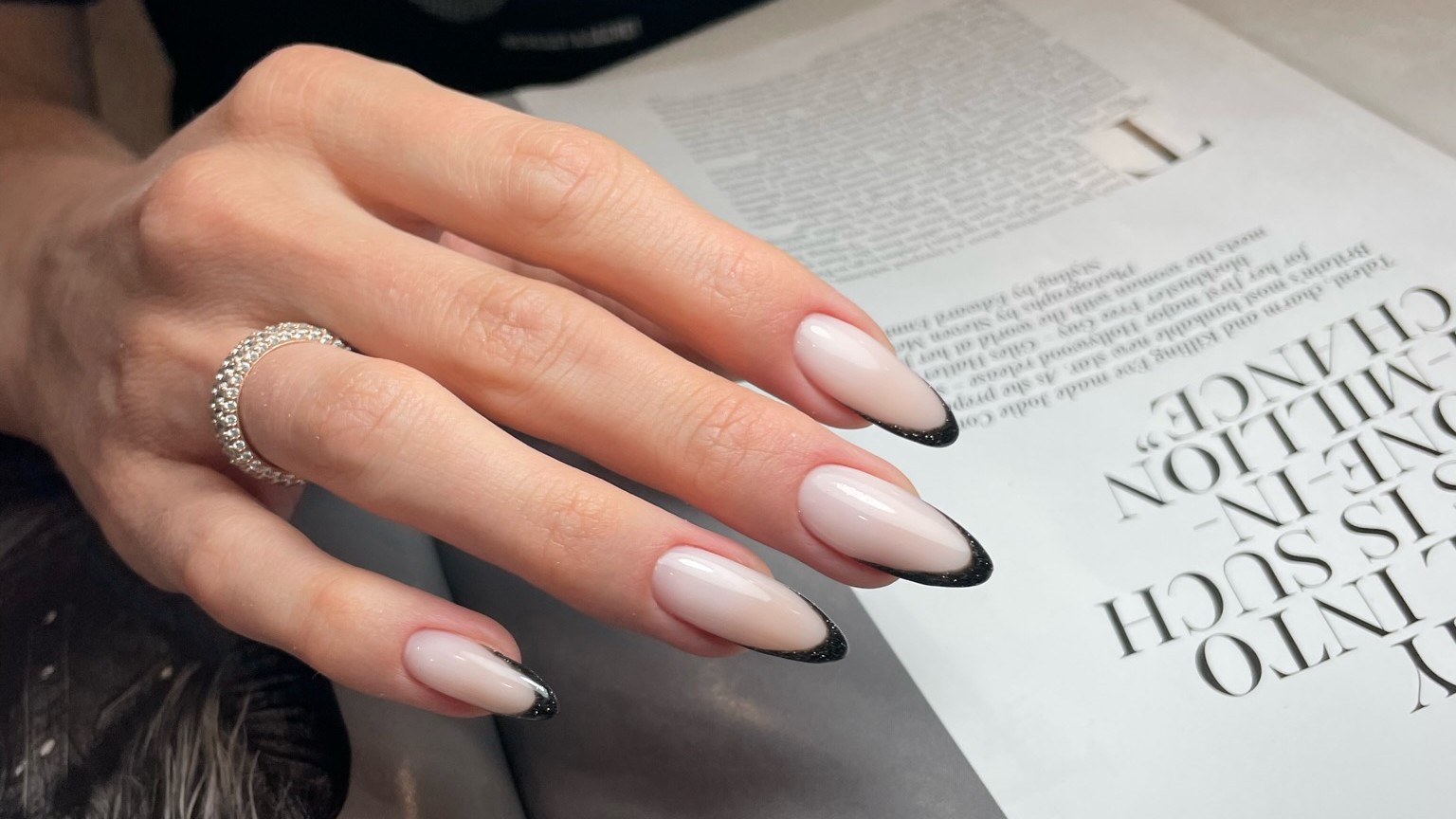
If you bite your nails, you've probably already learned that most manicures aren't really built for you. A lot of standard treatments assume a healthy, full-length nail plate to work with — and when that's not what you're starting with, the result is often disappointing at best, and can make already-short or uneven nails look worse.
Why Generic Manicures Fall Short
A rushed, one-size-fits-all manicure typically isn't designed around whatever nail is actually there. Bitten nails are often short, uneven, and inconsistent from finger to finger — and a technique built for a standard nail shape and length doesn't adapt well to that, which is exactly why the result can look strange or add extra encouragement to keep picking at it.
What an E-File Approach Does Differently
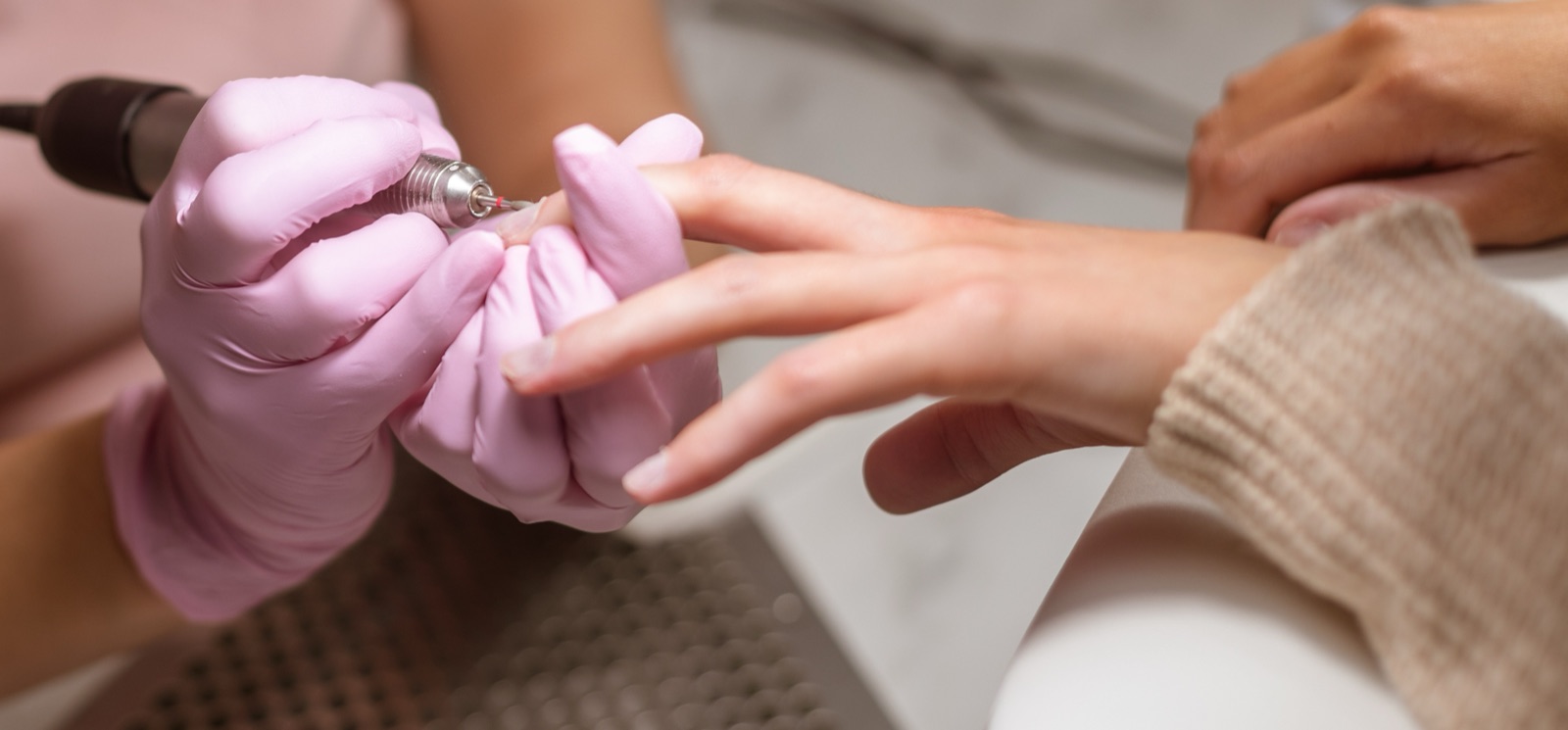
Dry e-file technique isn't built around a healthy, full-length nail plate — it's designed to work carefully with whatever nail is actually there, however short or uneven, without needing to soak it soft first. Because the work is precise and dry, a technician can assess and prepare each nail individually rather than applying the same approach across the board.
From there, a structural BIAB overlay is built up gradually over the natural nail — rather than glued on as a rigid extension — giving bitten nails the shape, strength and protection they need to stop being picked at while they grow out underneath.
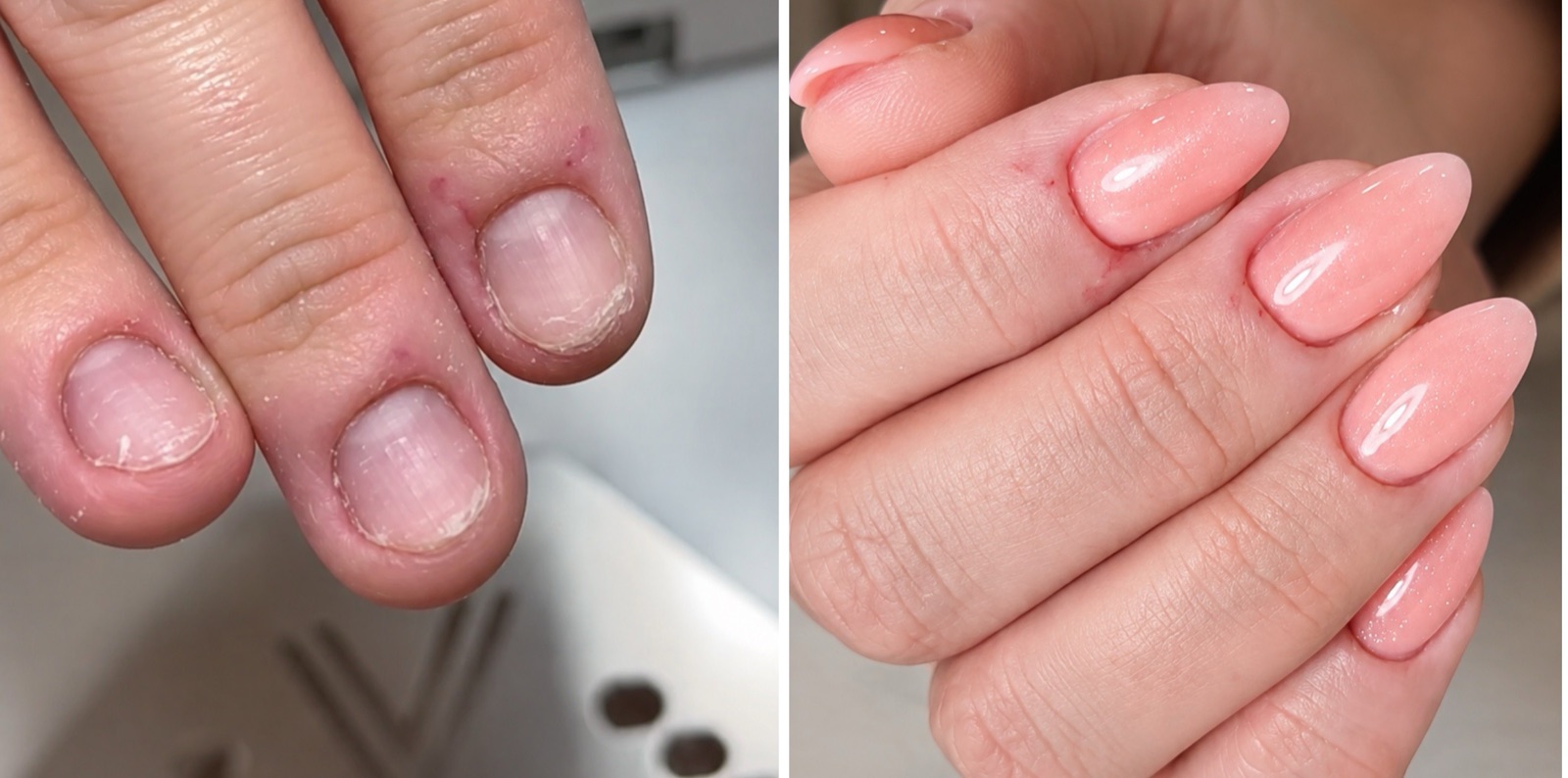
Why Recovery Takes More Than One Appointment
A single appointment can make a real difference, but nails don't fully recover from years of biting in one visit. This is where a structured, ongoing approach matters more than a one-off fix:
- Regular, consistent appointments — scheduled every two to three weeks, rather than whenever you happen to book — help maintain the nails and monitor how they're responding
- The same technician throughout, so changes and progress are actually tracked over time rather than reassessed from scratch each visit
- Ongoing strengthening support, adjusted as the nail improves rather than applying the same treatment regardless of progress
For nail biters specifically, this regularity does something else useful too: having a set, well-maintained manicure to look after can genuinely help break the cycle where bare, uneven nails become tempting to bite again.
The Realistic Timeline
Recovery isn't really about creating longer nails as fast as possible — it's about reaching a point where your natural nails look and feel strong, consistently maintained, and healthy enough that you stop wanting to bite them in the first place. That's a gradual process, generally measured in months rather than a single appointment, but it's a genuinely achievable one with the right, consistent approach.
Ready to see the difference for yourself?