Behind the Scenes
Dry E-File vs. the Bowl of Water: What Actually Happens to Your Cuticles
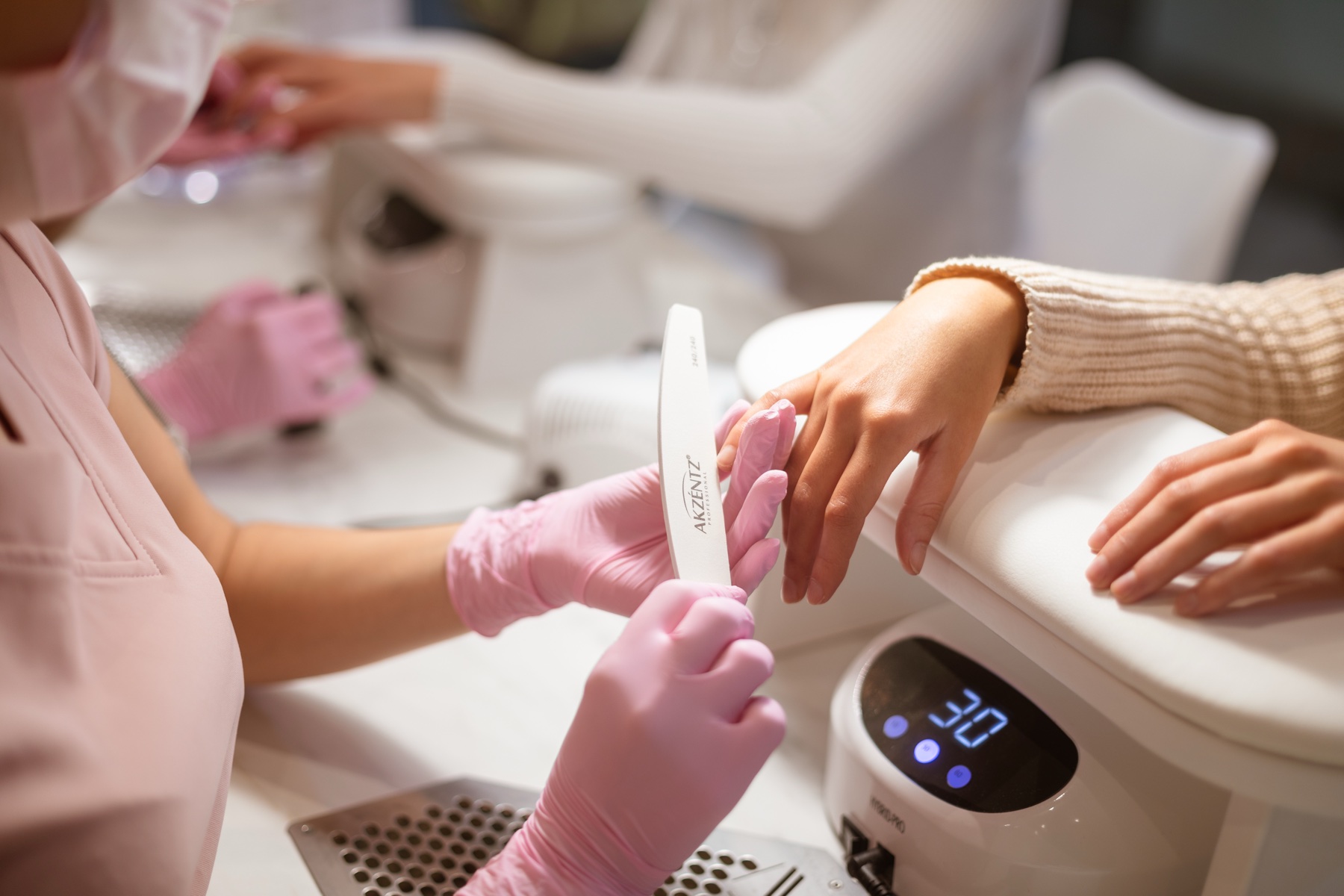
Almost every standard manicure starts the same way: hands in a bowl of warm, soapy water. It feels relaxing, and it's been the default for decades. But from a technical standpoint, soaking the nail before working on it creates a real problem — and it's one of the main reasons dry e-file technique produces such a different result.
What Soaking Actually Does to the Nail
Water causes the cuticle and surrounding skin to swell and soften. That might sound like a good thing for a manicure, but it makes the boundary between dead cuticle tissue and the living nail bed much harder to see. A technician working on softened, swollen skin is essentially working with less visual information about where it's actually safe to trim or push back.
The result is often one of two outcomes: cuticle work that's overly conservative and leaves rough, uneven skin behind, or cuticle work that goes too far and nicks living tissue that shouldn't have been touched at all.
Why Dry Technique Works Differently
A Russian e-file manicure is performed entirely dry, using a specialist electric machine with fine carbide and diamond bits rather than a bowl of water and a metal cuticle pusher. Because there's no soaking involved, the cuticle stays in its natural, unswollen state — which means the line between dead tissue and living nail bed stays exactly where it actually is.
This allows a trained technician to work with real precision: removing only what needs to go, millimetre by millimetre, rather than working around softened, less predictable skin.
Why This Requires Real Training
The precision here comes entirely from the technician, not the machine. An e-file doesn't make good cuticle work automatic — if anything, it demands more skill than hand tools, because speed, pressure, bit selection and angle all have to be correct, on every nail shape, every time. This is also why the technique takes technicians months to properly learn, and why a badly handled e-file can genuinely cause harm if the person using it hasn't been trained specifically in it.
What This Means for the Finished Result
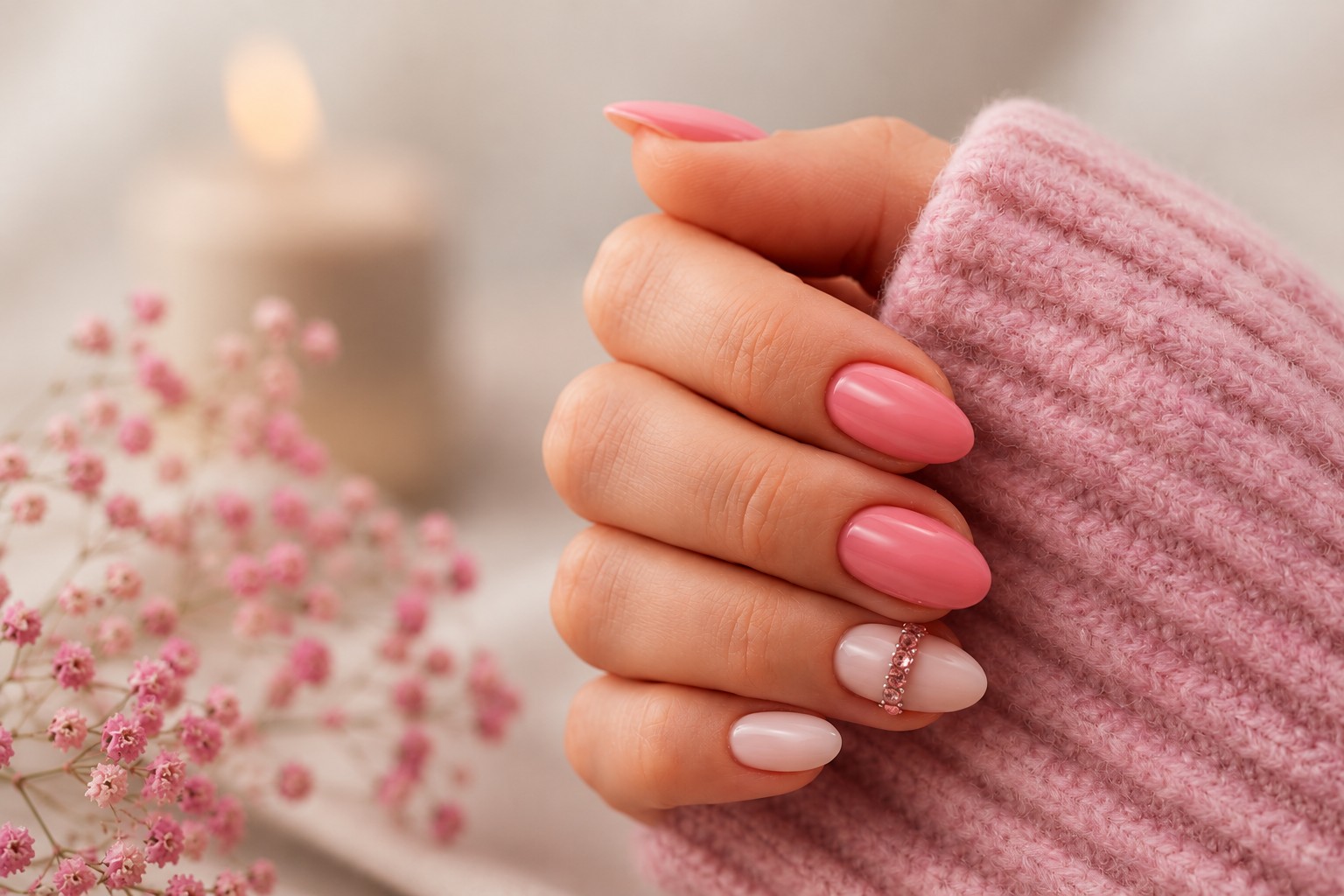
Working dry doesn't just change the process — it changes what's structurally possible afterward. A cleaner, more precisely prepared nail plate gives gel or BIAB something better to bond to, which is a large part of why e-file manicures tend to hold their shape and finish for longer than manicures prepped after soaking.
It's a small difference in process with a fairly large difference in outcome — and it's one of the easiest things to ask about before your next appointment.
Ready to see the difference for yourself?